Foods That Are Digested Quickly: A Practical Easy-to-Digest Food List
Learn what “digested quickly” really means, which foods may feel easier to tolerate, and how WellyPal can help you record meals and notice patterns without guessing.
Updated
What Foods Are Digested Quickly?
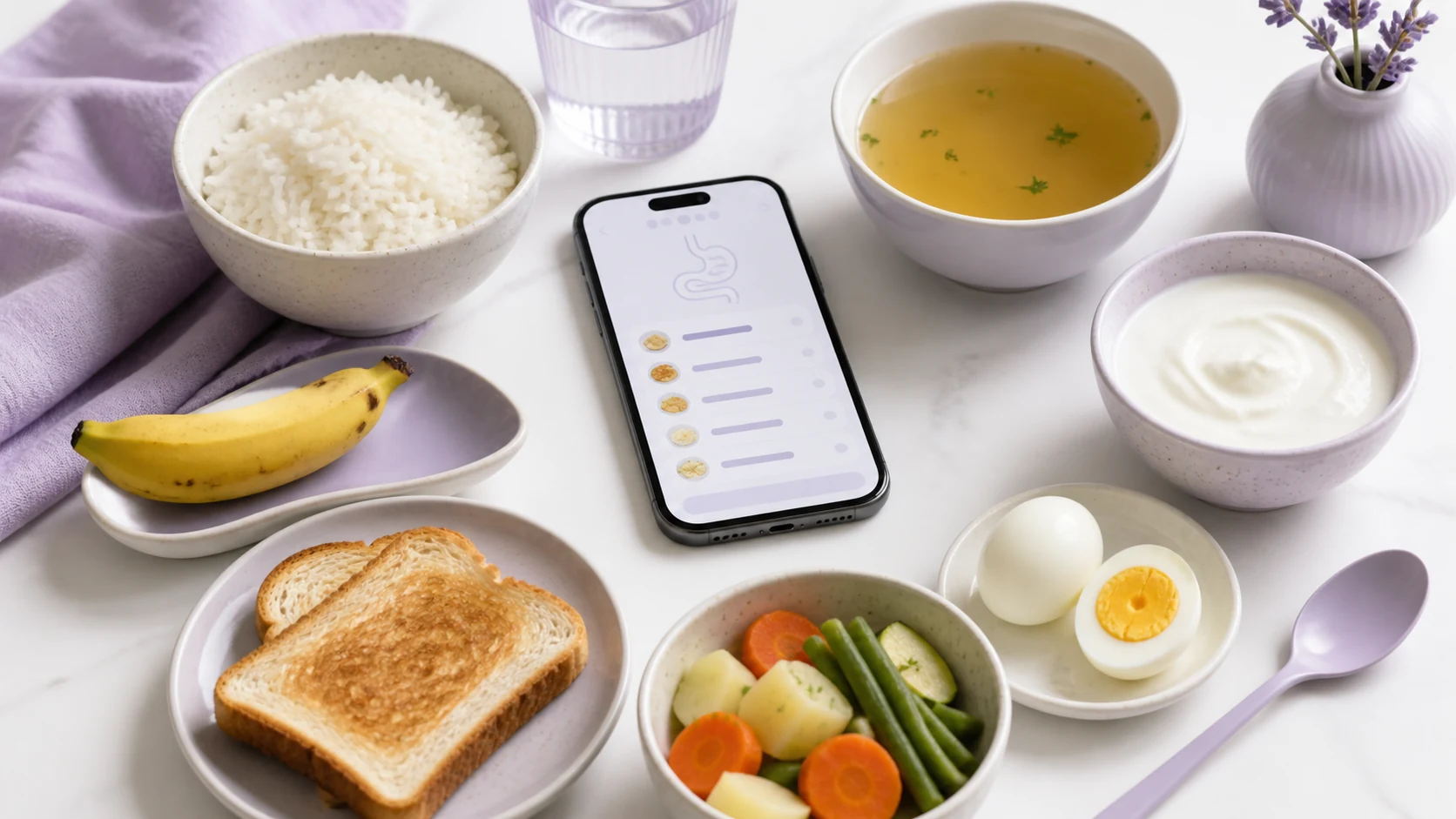
Foods that are lower in fat and fiber, softer in texture, well cooked, blended, or liquid often leave the stomach more quickly or require less mechanical breakdown than large, high-fat, high-fiber meals. Common examples may include broth, toast, white rice, plain crackers, applesauce, ripe bananas, low-fat yogurt if tolerated, eggs, and tender lean protein.
However, “digested quickly,” “easy to digest,” and “absorbed quickly” are not identical. Digestion involves the entire gastrointestinal tract, and tolerance depends on the person, portion, preparation, symptoms, and medical conditions. A food that feels easy for one person may cause discomfort for another.
Quickly Digested vs Easy to Digest
| Term | What it generally describes | Why the distinction matters |
|---|---|---|
| Digested quickly | Food moves through early digestive stages relatively quickly | Speed varies with fat, fiber, texture, portion, and individual physiology |
| Easy to digest | Food causes less discomfort or feels easier to tolerate | Tolerance is personal and may relate to lactose, FODMAPs, allergies, reflux, or illness |
| Absorbed quickly | Nutrients—often simple carbohydrates—enter the bloodstream relatively quickly | Fast absorption does not automatically mean the food is healthier or better tolerated |
A Practical List of Foods That May Be Easier to Digest
Clear liquids and soft foods
- Water, broth, and clear soup
- Applesauce or other smooth fruit purée
- Gelatin or ice pops when appropriate
- Mashed or puréed foods
Lower-fiber starches
- White rice
- Toast, plain bread, crackers, or refined cereal
- Plain pasta or noodles
- Peeled potatoes prepared with little added fat
Fruits that may be tolerated
- Ripe banana
- Applesauce
- Canned or cooked fruit without tough skins, seeds, or heavy syrup
- Melon in a modest portion
Protein options
- Eggs
- Low-fat yogurt or cottage cheese if lactose is tolerated
- Tender fish, chicken, or turkey prepared without heavy frying
- Smooth tofu
This list is not a universal prescription. Some people tolerate whole grains, beans, raw produce, dairy, or higher-fat foods well; others do not. Medical conditions such as gastroparesis, celiac disease, inflammatory bowel disease, food allergy, lactose intolerance, and irritable bowel syndrome require different considerations.
What Can Slow Stomach Emptying or Feel Heavier?
Large portions, high-fat meals, and some high-fiber foods may remain in the stomach longer or feel heavier for certain people. Tough skins, seeds, raw vegetables, fried food, rich sauces, and very large mixed meals can also be harder to tolerate during an illness or digestive flare.
That does not make fat or fiber unhealthy. Both are important parts of many healthy eating patterns. A temporary low-fat or low-fiber approach is sometimes recommended for specific medical situations, but following a restrictive diet long term without guidance can reduce nutrient variety or worsen other problems.
When Might Easy-to-Digest Foods Be Useful?
- During short-term nausea, reduced appetite, or recovery from a stomach illness
- Before or after a procedure when a clinician provides specific instructions
- During a medically managed digestive flare
- When testing which textures or portions feel more comfortable
Follow the instructions of your healthcare team when a procedure, diagnosed condition, surgery, or medication is involved. A general internet list should not replace a prescribed diet.
How to Build a More Balanced Gentle Meal
An easy-to-digest meal does not have to be only plain carbohydrate. When tolerated, combine a modest portion of a softer starch with lean protein and a cooked or puréed fruit or vegetable. Examples include rice with egg, toast with yogurt and banana, noodles with tender chicken, or mashed potato with fish and cooked carrots.
Start with a manageable portion, eat slowly, chew well, and observe the response. Adding many foods at once makes it harder to know what affected symptoms.
How WellyPal Helps You Track Food and Tolerance Patterns
WellyPal cannot measure digestion speed or diagnose why a food causes symptoms. It can reduce the work of recording what you ate. Photograph the meal or describe it by voice on iPhone, review the estimated ingredients and portions, and correct obvious errors.
The nutrition dashboard shows calories, protein, carbohydrates, fat, fiber, sugar, and sodium together. This makes it easier to compare a smaller low-fat meal with a larger high-fat or high-fiber meal without assuming that one nutrient explains everything. Separately note the time, portion, preparation, and how you felt so you can look for repeated—not one-time—patterns.
Personalized recipe filtering and food alerts
WellyPal can also use the dietary information you provide—including your eating pattern, foods you do not eat, food intolerances, and allergies—to personalize recipe recommendations. Ingredients you have flagged are excluded from recommended recipes, helping you spend less time checking suggestions that do not fit your needs.
When you photograph a meal, WellyPal can compare foods it appears to recognize with the intolerance and allergy information saved in your profile. If the image seems to contain a flagged ingredient, the app can surface a prompt so you can stop and verify the meal before relying on the nutrition estimate.
This alert is a secondary reminder, not an allergy-safety guarantee. A photograph may not reveal sauces, seasonings, cooking oils, mixed ingredients, substitutions, or allergen cross-contact, and AI recognition can be wrong. If you have a food allergy—especially one that can cause a severe reaction—always read the complete ingredient label, confirm ingredients and preparation with the food provider, consider cross-contact, and follow the emergency plan provided by your healthcare professional. When you are unsure, do not eat the food based only on an app result.
WellyPal’s AI Coach can help you review the recorded pattern and choose a general next step, such as trying a smaller portion or planning a balanced soft meal. It cannot identify an intolerance, diagnose a digestive disorder, or prescribe a therapeutic diet.
A Simple Food-Tolerance Tracking Method
Record the meal, approximate portion, and preparation method.
Note when symptoms started and what they felt like.
Avoid changing many variables at the same time.
Look for a repeatable pattern across several similar meals.
Share the record with a qualified professional if symptoms persist.
When to Seek Medical Advice
Talk with a healthcare professional if digestive symptoms are frequent, worsening, or affecting nutrition and daily life. Seek prompt care for severe or persistent abdominal pain, repeated vomiting, blood in vomit or stool, black stool, difficulty swallowing, dehydration, fever, unexplained weight loss, fainting, or other urgent symptoms.
Frequently Asked Questions
What food digests the fastest?
Liquids and simple, low-fat, low-fiber foods often move through the stomach faster than large high-fat or high-fiber meals, but there is no single fastest food for everyone.
Are bananas easy to digest?
Ripe bananas are often tolerated because they are soft, but individual responses differ. Ripeness, portion, and digestive conditions can change the experience.
Is white rice easy to digest?
Plain white rice is lower in fiber than brown rice and is commonly included in gentle meals. It may still be unsuitable in some medical or blood-glucose management plans, so context matters.
Does easy to digest mean healthy?
Not automatically. A food can be quickly digested but low in fiber or absorbed rapidly. Healthfulness depends on the person, portion, total diet, and purpose of the meal.
Can WellyPal diagnose food intolerance?
No. WellyPal helps record meals and view nutrition trends; diagnosis requires evaluation by a qualified healthcare professional.
Can WellyPal help me avoid foods I do not eat, cannot tolerate, or am allergic to?
WellyPal uses the dietary pattern, excluded foods, intolerances, and allergies saved in your profile to filter recipe recommendations. It can also alert you when a photographed meal appears to contain a flagged ingredient. Because hidden ingredients and cross-contact cannot be confirmed from a photo, always verify labels and preparation independently and follow professional allergy guidance.
The Bottom Line
Lower-fat, lower-fiber, soft, well-cooked, or liquid foods may feel easier to digest in certain situations, but tolerance is personal and “faster” does not always mean “better.” WellyPal can simplify food logging and help organize repeatable patterns while a qualified professional addresses persistent or serious symptoms.
WellyPal is not a medical provider and does not replace advice from a doctor, registered dietitian, or other qualified professional. If you have a medical condition, special dietary restriction, pregnancy-related nutrition need, eating disorder risk, or medical nutrition concern, consult a qualified professional. Calorie, nutrient, activity, weight, and AI estimates are intended for general wellness education and everyday tracking, not diagnosis, treatment, body-composition measurement, or a professional nutrition prescription.
Make Food Patterns Easier to Review
Log meals by photo or voice, compare repeated patterns, and use WellyPal as context—not a diagnosis.
Get WellyPal Free