Tired After Eating? Common Causes, Practical Tips, and When to Get Help
Use WellyPal to log meals with less effort, see calories and key nutrients together, and turn repeated post-meal patterns into a practical next step.
Updated
Why Am I Tired After Eating?
Feeling tired after eating is common. The medical term is postprandial somnolence. It may be more noticeable after a large or high-energy meal, during the natural early-afternoon dip in alertness, after poor sleep, or when alcohol, medications, meal timing, and personal health factors are involved.
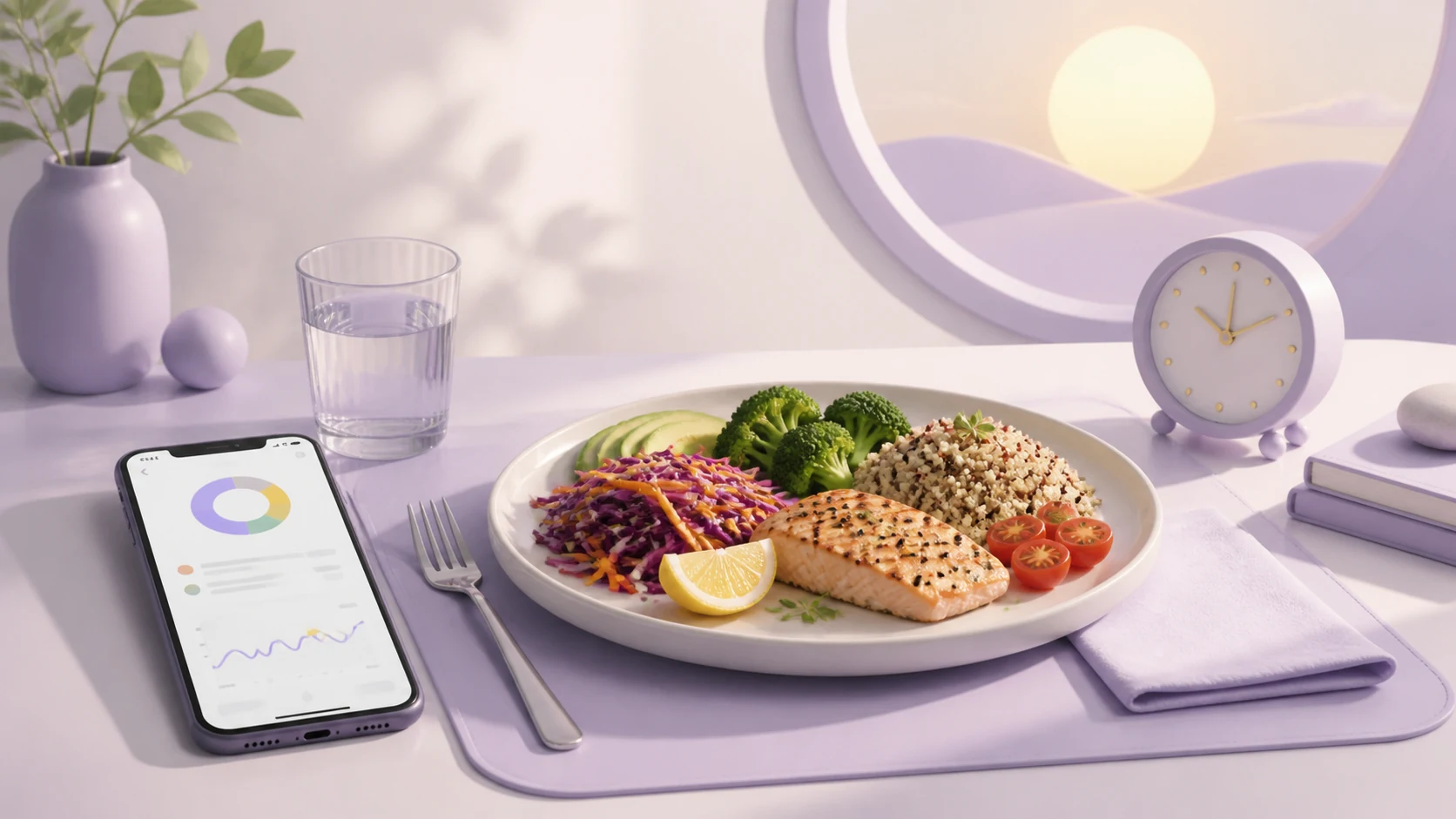
The difficult part is that a tired afternoon rarely tells you the cause. WellyPal helps turn the meal into something you can review: photograph it or describe it by voice, check the estimated portion and ingredients, and view calories, protein, carbohydrates, fat, fiber, sugar, and sodium together. Add the surrounding context—sleep, meal time, activity, caffeine, alcohol, and when fatigue began—and compare several similar days before drawing a conclusion.
Occasional mild sleepiness usually passes. Frequent, severe, or sudden fatigue—or fatigue accompanied by other symptoms—deserves medical attention. WellyPal can help organize a pattern, but it cannot diagnose diabetes, anemia, food intolerance, sleep apnea, or another condition.
Start With the Pattern, Not a Guess
It is easy to blame bread, sugar, carbohydrates, or one restaurant meal. A single experience is weak evidence because meal size, sleep debt, time of day, hydration, activity, alcohol, and medications can change at the same time. A better question is: what is consistently different on the days when I feel tired after eating?
WellyPal reduces the effort required to answer that question. Instead of rebuilding every mixed meal from a database, use photo or voice logging, correct the result when necessary, and compare the same nutrition view across days. The goal is not perfect data. It is a repeatable record that makes useful differences easier to notice.
Common Causes—and What to Review in WellyPal
1. A large or energy-dense meal
Larger meals are more strongly associated with post-meal sleepiness. Portion size, total energy, fat, refined carbohydrate, protein, and eating speed may all contribute.
In WellyPal, review the estimated calories and portion rather than judging only the food name. Compare a very large lunch with a similar but smaller meal on another day. This does not prove causation, but it gives the AI Coach a more useful pattern to discuss.
2. Meal composition
Some people feel more sluggish after meals dominated by refined carbohydrates or eaten quickly in a large portion. It is inaccurate to blame every carbohydrate: beans, fruit, vegetables, and whole grains differ from sugary drinks and refined grains, and protein, fat, fiber, and total portion change the complete meal.
WellyPal’s dashboard shows protein, carbohydrates, fat, fiber, sugar, and calories in the same view. That makes it easier to ask whether the meal was balanced, low in protein or fiber, unusually high in energy, or simply larger than usual—without reducing the explanation to one nutrient.
3. Your body clock and meal timing
Many people experience a natural early-afternoon decline in alertness. Lunch may appear to cause the whole slump even when circadian timing is also involved. Compare the same type of meal at different times, and compare different lunches eaten at the same time.
4. Poor or disrupted sleep
A meal can expose fatigue that was already present. Short sleep, interrupted sleep, shift work, snoring, or untreated sleep problems may make post-meal drowsiness more noticeable. Nutrition data cannot explain sleep debt, so include sleep quality when interpreting a WellyPal meal pattern.
5. Hydration and activity context
Low fluid intake, a long inactive period, or a change in the normal routine may contribute to how you feel. WellyPal keeps water and activity alongside food and weight context, making it easier to review the whole day instead of treating lunch as an isolated event.
6. Alcohol, caffeine, or medications
Alcohol and sedating medicines can worsen drowsiness. Extra caffeine may temporarily mask tiredness but interfere with later sleep. Do not stop or change medication on your own; ask a pharmacist or prescriber whether fatigue could be a side effect.
7. An underlying health issue
Persistent fatigue can be associated with many conditions, including anemia, diabetes, celiac disease, food intolerance or allergy, thyroid problems, sleep apnea, and post-meal blood-pressure changes. A food log may help a clinician understand timing, but an app cannot identify the diagnosis.
What the WellyPal Dashboard Can—and Cannot—Tell You
| WellyPal can help you review | WellyPal cannot determine |
|---|---|
| Estimated meal size and calories | Whether calories caused the fatigue |
| Protein, carbohydrates, fat, fiber, sugar, and sodium | Whether one nutrient is medically responsible |
| Repeated meals recorded by photo or voice | A food intolerance, allergy, or digestive disorder |
| Water, activity, weight, and goal context | Diabetes, anemia, thyroid disease, or sleep apnea |
| Patterns that may support a useful next experiment | A diagnosis, laboratory interpretation, or treatment plan |
This distinction matters. WellyPal is most useful as a low-friction observation and guidance tool. It can help you ask a better question and prepare a clearer history for a healthcare professional; it should not turn an association into a medical claim.
A Seven-Day WellyPal Post-Meal Energy Check
Log lunch and any other meal followed by noticeable fatigue using a photo or voice description.
Review and correct the recognized foods, ingredients, and approximate portions.
Check calories, protein, carbohydrates, fat, fiber, sugar, and sodium in the nutrition dashboard.
Separately note meal time, sleep the night before, caffeine, alcohol, activity, and when tiredness began.
Use the same simple energy rating after each meal—for example, 1 for very alert and 5 for very sleepy.
After several days, ask the AI Coach to compare repeated patterns and suggest one reasonable change.
Test only one practical change at a time, then seek professional advice if fatigue remains frequent or significant.
How the WellyPal AI Coach Can Help With the Next Meal
The AI Coach is most useful when it works from several records instead of one isolated meal. It may help you design a simple comparison: reduce an unusually large lunch, add a protein or fiber source to a meal that lacked both, choose water instead of alcohol, or try a short comfortable walk after eating when appropriate.
The recommendation should remain realistic. You do not need to remove every carbohydrate, skip the next meal, or punish yourself with exercise. The purpose is to test whether one manageable adjustment improves the pattern while keeping nutrition and daily life sustainable.
WellyPal can also use the dietary pattern, foods you do not eat, intolerances, and allergies saved in your profile when recommending recipes. That helps suggested meals fit your stated needs. Recipe filtering and photo-based food alerts are supportive tools, not an allergy-safety guarantee; hidden ingredients and cross-contact still require independent verification.
Practical Ways to Reduce an Afternoon Slump
- Try a smaller meal and stop at comfortable fullness
- Include protein, vegetables or another fiber source, and an appropriate carbohydrate portion
- Eat more slowly and compare the result with similar meals
- Drink according to your needs and limit alcohol with lunch
- Take a short, comfortable walk when safe and appropriate
- Protect nighttime sleep instead of repeatedly relying on extra caffeine
- Use WellyPal to compare several days before removing foods unnecessarily
These are general strategies, not treatment. People with a diagnosed condition, prescribed meal plan, pregnancy, history of disordered eating, or medication-related concern should seek individualized guidance.
When Should You See a Doctor?
Make an appointment if tiredness after eating is frequent, worsening, lasts for hours, affects work or driving, or continues despite adequate sleep and reasonable meal changes. Seek advice if you also have loud snoring or breathing pauses, unusual thirst or urination, unexplained weight change, persistent digestive symptoms, palpitations, dizziness, or medication concerns.
Seek urgent care for fainting, chest pain, severe shortness of breath, confusion, signs of a severe allergic reaction, or another emergency symptom. Bringing a concise WellyPal meal history may help the conversation, but do not delay urgent care to collect more data.
Frequently Asked Questions
Is it normal to feel tired after eating?
Occasional mild drowsiness is common, especially after a large meal or during an afternoon alertness dip. Frequent or severe fatigue should be evaluated in context.
Does feeling tired after eating mean diabetes?
Not by itself. Post-meal sleepiness has many possible contributors. WellyPal can show meal and habit patterns but cannot measure blood glucose or diagnose diabetes. Ask a healthcare professional about appropriate screening if you have symptoms or risk factors.
Why do carbohydrates make me sleepy?
Meal size, carbohydrate type, total energy, protein, fat, fiber, sleep, and circadian timing may all contribute. Use the WellyPal dashboard to review the complete meal rather than blaming all carbohydrates.
What should I eat for lunch to avoid an afternoon crash?
Many people do well with a moderate portion containing protein, vegetables or another fiber source, and an appropriate amount of carbohydrate and fat. Use WellyPal to compare a few balanced lunches with your usual meal, but adapt the plan to personal and medical needs.
Can WellyPal identify why I am tired after eating?
No. WellyPal can organize meals, nutrition, water, activity, and weight context and help you compare patterns. A qualified professional must evaluate persistent fatigue and possible medical causes.
Can I share my WellyPal pattern with a healthcare professional?
You can use your recorded meal and trend information to summarize what you ate, when fatigue occurred, and which patterns repeated. Ask the professional what information is most useful, and do not treat app estimates as laboratory measurements.
The Bottom Line: Record, Understand, Adjust
Tiredness after eating is often temporary, but the cause is not obvious from one meal. WellyPal creates a simpler loop: log by photo or voice, review calories and key nutrients in one dashboard, connect food with water and activity context, and use the AI Coach to test one realistic next step. If fatigue is frequent, severe, or accompanied by other symptoms, use the record to support—not replace—professional medical care.
WellyPal is not a medical provider and does not replace advice from a doctor, registered dietitian, or other qualified professional. If you have a medical condition, special dietary restriction, pregnancy-related nutrition need, eating disorder risk, or medical nutrition concern, consult a qualified professional. Calorie, nutrient, activity, weight, and AI estimates are intended for general wellness education and everyday tracking, not diagnosis, treatment, body-composition measurement, or a professional nutrition prescription.
Turn a Repeated Pattern Into One Next Step
Use WellyPal to log meals, review nutrition and daily context, and test one manageable adjustment.
Get WellyPal Free