What to Eat When You Don’t Know What to Eat
A practical way to choose your next meal based on hunger, time, available food, nutrition, and your health goals.
Updated
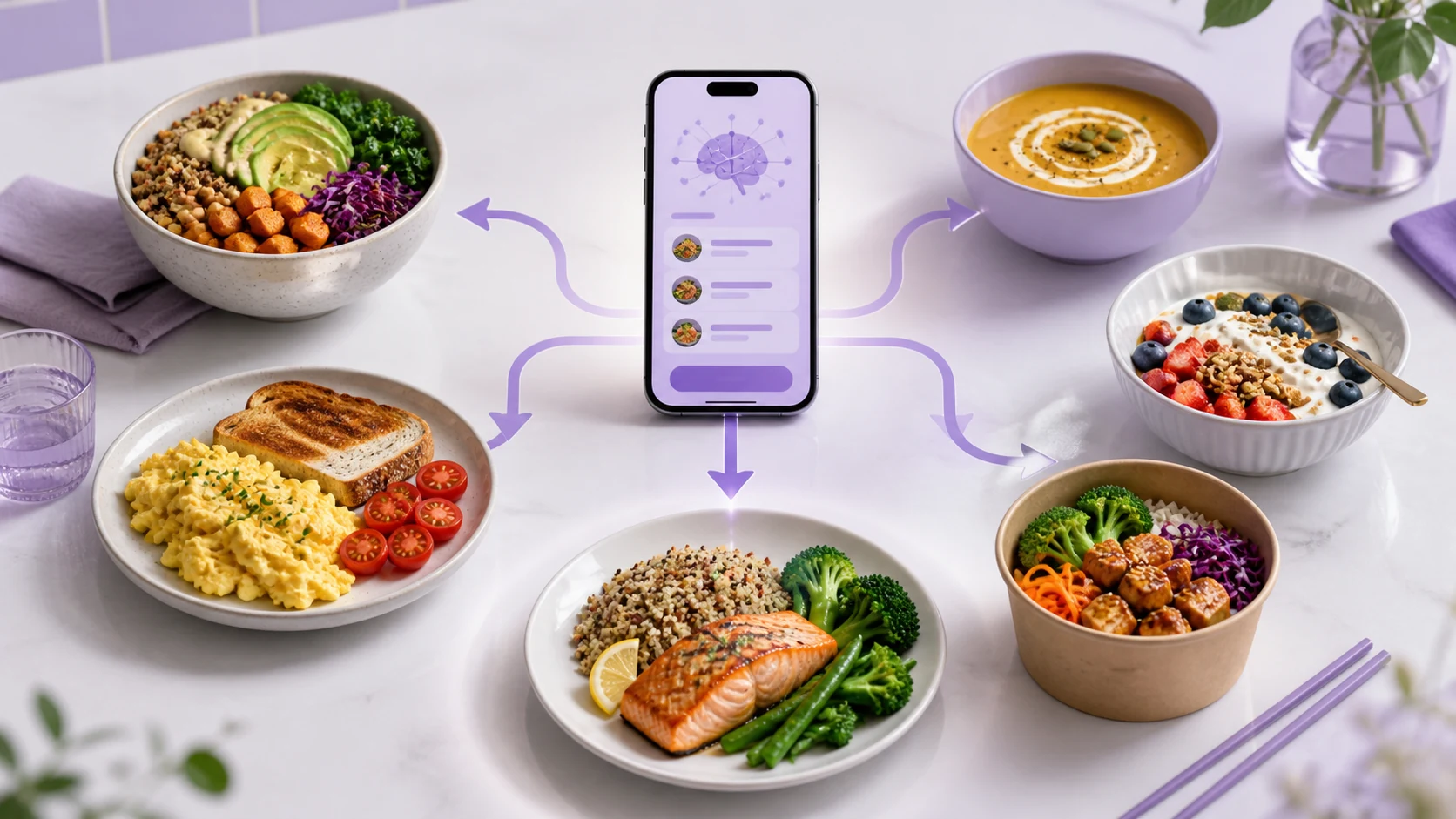
What Should You Eat When You Don’t Know What to Eat?
When you do not know what to eat, start with what your body and your day need—not with the search for a perfect meal. Check how hungry you are, how much time you have, what food is realistically available, and what may be missing from what you have already eaten. Then build a simple meal around protein, produce or another source of fiber, and enough carbohydrate or healthy fat to make it satisfying.
WellyPal can make this decision easier by bringing your meal records, calories, protein, carbohydrates, fat, fiber, sugar, sodium, water, activity, and weight context into one place. Instead of choosing from a generic list, you can ask the AI Coach what fits your day, log the meal by photo, voice, or text, and review the result without turning the decision into a complicated calculation.
Why ‘What Should I Eat?’ Can Feel So Difficult
Food decisions often happen when you are already hungry, tired, rushed, or overloaded with choices. You may be deciding whether to cook, order takeout, eat leftovers, choose something lighter, add more protein, or simply eat the fastest available option. Trying to make the healthiest possible choice in that moment can create more indecision, not less.
The better goal is a meal that is reasonable for the moment and repeatable in real life. One meal does not need to correct your whole week, and it does not need to be nutritionally perfect. It only needs to help you take a useful next step.
A Four-Question Method for Choosing Your Next Meal
1. How Hungry Are You?
If you are very hungry, a tiny snack may leave you searching for more food soon afterward. Choose a complete meal with protein, fiber, and enough energy to feel satisfied. If you are only slightly hungry, a smaller meal or balanced snack may be enough. Hunger is context—not a test of willpower.
2. What Have You Already Eaten Today?
Think in broad patterns rather than exact perfection. If your earlier meals were low in protein, include a clear protein source. If you have eaten little fruit, vegetables, beans, or whole grains, add a practical source of fiber. If the day has already included a large restaurant meal, your next meal can be simpler without becoming a punishment.
3. What Is Realistically Available?
A useful meal has to fit your kitchen, budget, schedule, and location. Eggs, yogurt, canned tuna, tofu, frozen vegetables, beans, soup, sandwiches, grain bowls, and sensible takeout can all work. A simple available option is more helpful than an ideal recipe you do not have time or ingredients to make.
4. What Do You Need From This Meal?
You may need energy before activity, recovery after exercise, something gentle when your appetite is low, or a filling meal that supports a weight-management goal. The same meal is not right for every situation. Use the purpose of the meal to narrow the choice.
Use a Simple Meal Formula
When you are stuck, build rather than browse. Choose one item from each part of this flexible formula:
- Protein: eggs, Greek yogurt, cottage cheese, chicken, fish, lean meat, tofu, tempeh, beans, lentils, or another protein you enjoy.
- Produce or fiber: vegetables, fruit, beans, lentils, whole grains, or a fiber-rich side.
- Energy: rice, bread, oats, pasta, potatoes, tortillas, grains, or another carbohydrate that fits the meal.
- Optional flavor or healthy fat: nuts, seeds, avocado, olive oil, cheese, dressing, sauce, or seasoning in an amount that works for you.
This is a guide, not a rigid plate rule. Some foods contribute to more than one category, and cultural meals do not need to be separated into perfect components to be balanced.
What to Eat in Common Situations
When You Need Something Fast
- Greek yogurt with fruit, oats, or nuts
- Eggs with toast and fruit
- A tuna, chicken, tofu, or bean wrap
- Soup with a protein-rich side
- A frozen or prepared meal with added vegetables or protein
When You Want a Filling Meal
- A grain bowl with chicken, tofu, fish, beans, or lentils
- A sandwich or wrap with protein, vegetables, and fruit on the side
- Rice, potatoes, or pasta with a clear protein source and vegetables
- Chili, curry, or stew containing beans, meat, tofu, or lentils
When You Want Something Lighter
Lighter does not have to mean skipping the meal. Try soup with added protein, a salad with chicken, tofu, tuna, eggs, or beans, yogurt with fruit, or a smaller portion of a familiar meal with vegetables on the side.
When You Want Takeout
Choose a main item with a visible protein source, then compare cooking method, portion size, sauces, drinks, and sides. A rice bowl, sushi meal, grilled entrée, burrito bowl, soup, sandwich, or salad with protein can all fit depending on the rest of your day. You do not have to order the lowest-calorie option; choose the option that is satisfying enough to avoid turning one order into several unplanned snacks.
When Nothing Sounds Good
Reduce the decision to a familiar, low-effort option. Toast with eggs, yogurt and fruit, soup, a smoothie with protein, rice with tofu or chicken, or a simple sandwich may be easier than forcing an elaborate meal. Persistent loss of appetite, difficulty eating, or unexplained symptoms should be discussed with a qualified healthcare professional.
How to Choose for Different Goals
If You Are Managing Your Weight
Prioritize a meal that is filling, practical, and easy to repeat. Protein and fiber can support fullness, but total intake, activity, sleep, stress, medications, and many other factors may affect weight. Avoid using one heavier meal as a reason to skip the next meal or apply extreme restriction.
If You Want More Protein
Start with one clear protein source and check whether the portion is meaningful for the meal. WellyPal’s nutrition dashboard can help you view protein alongside carbohydrates, fat, fiber, sugar, sodium, and calories, so protein does not become the only number that matters.
If You Are Active or Recovering From Exercise
Depending on the activity and timing, a meal containing protein, carbohydrates, fluids, and enough overall energy may support recovery. Individual needs vary, especially for intensive training, so athletes with specific performance goals may benefit from qualified sports-nutrition guidance.
If You Already Ate More Than Planned
Return to a normal meal structure. You may choose something simpler or lighter if that matches your hunger, but do not treat food as punishment. One meal rarely determines long-term progress.
How WellyPal Helps You Decide What to Eat
WellyPal is an AI health coach and tracking app for iPhone. It is designed to reduce the effort between noticing a health question and taking a realistic next step.
A simple WellyPal decision flow can look like this:
- Review what you have logged today, including meals, key nutrients, water, activity, and weight context.
- Ask AI Coach a specific question, such as: “I had a low-protein lunch and need a quick dinner. What are three realistic options?”
- Choose an option that fits your hunger, time, preferences, and available food.
- Log the meal with a photo, voice message, or text description.
- Review calories and nutrients at a glance, and correct the result if the estimated food or portion needs adjustment.
WellyPal does not require every meal to be perfect. Its purpose is to help you connect what you ate with what you may want to do next, while making the overall pattern easier to understand.
Useful Questions to Ask WellyPal AI Coach
- I do not know what to eat. Can you suggest three meals based on what I ate today?
- I need something fast with more protein. What can I make in ten minutes?
- Which of these takeout options fits my day better?
- I am hungry but already had a large lunch. What is a satisfying next meal?
- What can I eat from the ingredients I already have?
- Can you help me understand the protein, fiber, sugar, and sodium in this meal?
Common Mistakes When Deciding What to Eat
Waiting for the Perfect Choice
The search for the healthiest possible meal can delay eating until hunger makes the decision harder. A balanced, available choice is usually more useful than an ideal meal that never happens.
Choosing Only by Calories
Calories provide useful context, but they do not describe fullness, protein, fiber, food preferences, or how the meal fits the rest of your day. Look at the broader pattern.
Ignoring Hunger and Satisfaction
A meal that looks light but leaves you unsatisfied may lead to repeated snacking. Choose enough food to meet the situation rather than selecting the smallest possible option.
Trying to Compensate for an Earlier Meal
Extreme compensation can create an unhelpful cycle of restriction and overeating. Return to a normal structure and focus on consistency over time.
Frequently Asked Questions
What should I eat when I have no idea what I want?
Choose a familiar meal using three anchors: a protein source, a fruit or vegetable or another fiber source, and enough carbohydrate or healthy fat to make the meal satisfying. Then adjust the portion to your hunger.
What should I eat today if I am trying to lose weight?
Choose meals you can maintain: include protein, fiber-rich foods, appropriate portions, and foods you genuinely enjoy. Weight loss is influenced by the overall pattern, not one perfect meal, and individual needs vary.
What can I eat when I do not want to cook?
Try eggs and toast, yogurt and fruit, a sandwich or wrap, soup with added protein, a prepared grain bowl, rotisserie chicken with a simple side, or takeout with a clear protein source and reasonable portions.
Can WellyPal tell me exactly what to eat?
WellyPal can offer general, personalized suggestions based on the information you provide and your logged context. You remain in control of the choice, and estimates or AI suggestions may need correction or professional input when appropriate.
Is this the same as the WellyPal dinner guide?
No. This guide helps with choosing any next meal or snack. If your question is specifically about dinner, read “What Should I Eat Tonight? A Simple AI Way to Decide” for dinner and takeout-focused guidance.
Choose One Realistic Next Meal
You do not need the perfect answer to “What should I eat?” Start with hunger, time, available food, and what your day may need. Choose one realistic meal, log it without overthinking, and use the information to make the next decision a little easier.
Open WellyPal to review your day, ask AI Coach for practical meal options, and log your choice by photo, voice, or text.
WellyPal is not a medical provider and does not replace advice from a doctor, registered dietitian, or other qualified professional. If you have a medical condition, food allergy, medically required diet, pregnancy-related nutrition need, eating disorder risk, persistent loss of appetite, unexplained fatigue, or another medical nutrition concern, consult a qualified professional. AI Coach and AI Analysis are intended for general wellness education and everyday health-management reference; they do not provide a diagnosis, treatment plan, or professional nutrition prescription.
Choose One Realistic Next Meal
Review your day, ask WellyPal AI Coach for practical options, and log your choice by photo, voice, or text.
Get WellyPal Free