High-Protein Snacks: 10 Healthy Ideas, Protein Bars, and Fruit Pairings
Practical snack combinations, label-reading tips, and a balanced way to track protein without overcomplicating the day.
Updated
Quick answer
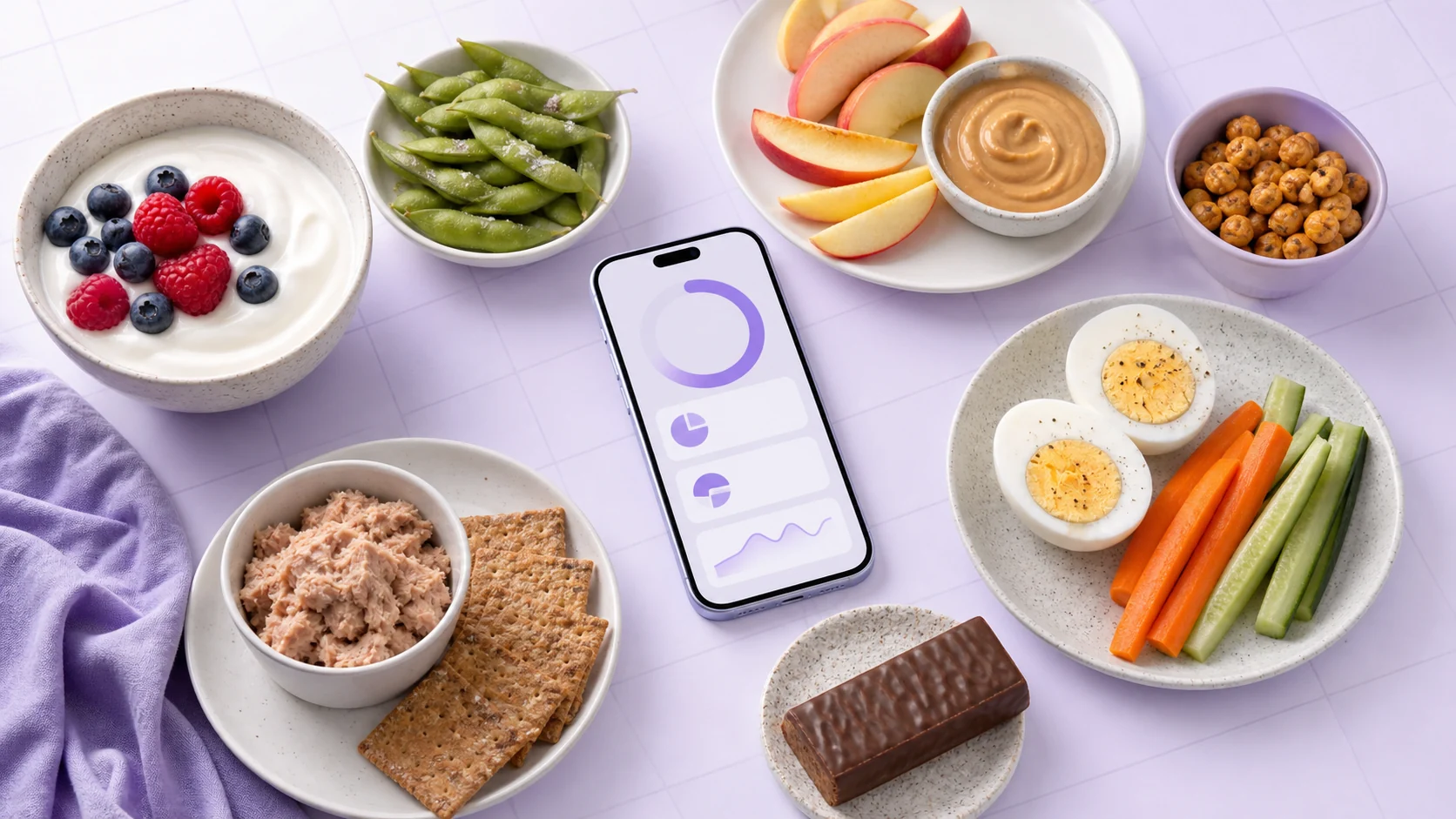
Try pairing a practical protein source with fruit, vegetables, or a whole-grain food. Examples include Greek yogurt and berries, apple with peanut butter, eggs and vegetables, edamame, or a tuna pouch with whole-grain crackers.
High-protein snacks can make it easier to bridge the gap between meals, support a balanced eating pattern, and keep your nutrition goals visible during busy days. The best choice is not simply the snack with the largest protein number. A useful snack should fit your appetite, schedule, dietary preferences, and overall eating pattern.
Protein foods include seafood, meat, poultry, eggs, beans, peas, lentils, nuts, seeds, and soy foods. Dairy foods such as Greek yogurt and cottage cheese can also provide protein. Choosing a variety helps you get different nutrients instead of relying on the same bar or shake every day.
Who This High-Protein Snack Guide Is For
This guide is for anyone looking for practical answers to questions such as:
- What are easy high-protein snacks?
- Which healthy snacks can I prepare ahead?
- How do I choose a chocolate protein bar?
- Are packaged fruit snacks the same as whole fruit?
- What is a balanced fruit-and-snack combination?
- How can I track protein without manually entering every ingredient?
If you are looking for complete breakfast, lunch, dinner, or takeout ideas rather than snacks, read our Easy High-Protein Meals guide: https://www.wellypal.com/easy-high-protein-meals.html
What Makes a Healthy High-Protein Snack?
A “high-protein” label does not automatically make a snack a better choice. Look at the complete snack and consider:
- Protein that fits your personal daily needs
- A realistic serving size
- Fiber-rich foods such as fruit, vegetables, beans, or whole grains
- Added sugars, saturated fat, and sodium on packaged-food labels
- How the snack fits your hunger, meals, activity, and health goals
USDA MyPlate recommends varying protein choices, including seafood, lean meat and poultry, eggs, beans, lentils, nuts, seeds, and soy foods. For packaged snacks, the FDA Nutrition Facts label can help you compare serving size, protein, added sugars, saturated fat, sodium, and fiber.
A Simple Framework for Building a High-Protein Snack
- Choose one protein base, such as Greek yogurt, eggs, cottage cheese, edamame, tuna, tofu, beans, nuts, seeds, or nut butter.
- Add fruit, vegetables, or a whole-grain food when it fits your appetite and goals.
- Check the serving size and full nutrition profile if the snack is packaged.
- Keep the combination simple enough to prepare, carry, and repeat.
- Log the snack consistently so you can understand the pattern over time.
Common High-Protein Snack Mistakes
Choosing Only by the Protein Number
More protein is not automatically better. Serving size, calories, fiber, added sugars, saturated fat, sodium, ingredients, and the rest of your day also matter.
Forgetting the Actual Portion
A label may describe one serving even when the package contains more. The amount you actually eat determines the nutrition you consume.
Relying on the Same Bar Every Day
Protein bars are useful, but rotating yogurt, eggs, beans, soy foods, nuts, seeds, fish, poultry, and other options can provide greater variety.
Making the Snack Too Complicated
A simple snack you can repeat is usually more useful than a perfect combination that requires too much preparation.
10 Easy High-Protein Snack Ideas
| Snack idea | Approx. protein | Why it works |
|---|---|---|
| Plain Greek yogurt + berries | 15-20 g | Creamy, portable, and easy to pair with fruit |
| Cottage cheese + fruit | 12-15 g | Combines protein with natural sweetness |
| Two eggs + vegetables | 12-13 g | Simple, savory, and easy to prepare ahead |
| Edamame, 1 cup | about 17 g | Plant-based protein with fiber |
| Tuna pouch + whole-grain crackers | 17-20 g | Shelf-stable protein for work or travel |
| Turkey roll-ups | 18-24 g | High-protein savory option; compare sodium |
| Roasted chickpeas, 1/2 cup | 7-10 g | Crunchy plant-based snack with fiber |
| Apple + 2 tbsp peanut butter | 7-8 g | Fruit, protein, and satisfying fats |
| Cheese stick + fruit | 6-8 g | Easy portion with sweet-and-savory balance |
| Protein bar | 10-20 g | Convenient; labels vary widely |
Protein values are general estimates; portions, recipes, and brands vary.
Healthy High-Protein Snacks You Can Make at Home
1. Greek Yogurt, Berries, and Seeds
Start with plain Greek yogurt, then add berries and a small amount of chia, pumpkin, or sunflower seeds. This combination adds protein, color, texture, and fruit without requiring a complicated recipe. If you choose flavored yogurt, compare added sugars on the label.
2. Apple or Banana With Nut Butter
Fruit and nut butter is a simple sweet snack that combines carbohydrates, protein, and fat. Use a measured portion of peanut, almond, or sunflower-seed butter when you want the serving to be easier to track.
3. Eggs With Crunchy Vegetables
Pair one or two hard-boiled eggs with cucumber, bell pepper, tomatoes, or carrots. Preparing several eggs in advance can make this a quick refrigerator snack.
4. Edamame or Roasted Chickpeas
Edamame and chickpeas are convenient plant-based options. Choose lightly seasoned versions or compare sodium if you buy packaged varieties. Roasted chickpeas also provide the crunch people often want from chips.
5. Cottage Cheese With Fruit or Tomatoes
Cottage cheese works with both sweet and savory flavors. Pair it with pineapple or berries, or add tomatoes, cucumber, and black pepper. Sodium varies by brand, so the label can help when that matters to you.
High-Protein Snacks for Work, Travel, and Busy Days
Convenience matters because the snack you can actually carry and eat is more useful than an ideal option that stays at home. Consider keeping a few shelf-stable choices available:
- Tuna or salmon pouches
- Roasted edamame or chickpeas
- Nuts and seeds in portioned containers
- A protein bar with a label that fits your needs
- Whole-grain crackers paired with a portable protein food
- Shelf-stable milk or unsweetened soy beverage when available
When buying packaged snacks, begin with the serving size. One package may contain more than one serving, and eating the entire package can change the calories and nutrients you consume. Compare similar products instead of judging a food by front-of-package claims alone.
How to Choose a Protein Bar or Chocolate Protein Snack
Chocolate protein bars can be convenient, but products vary substantially. Compare serving size, protein, calories, fiber, added sugars, saturated fat, sodium, and the ingredient list. A bar with the highest protein number is not always the best match for your needs.
Chocolate itself is not the deciding factor. Consider how often you eat the product, whether it replaces a meal or supports one, how hungry you are, and what the rest of your day looks like. If a bar is only a small snack, a very large meal-replacement product may be more than you need.
For the most useful comparison, look at chocolate protein bars with similar serving sizes. Compare the complete labels side by side rather than assuming every chocolate-flavored bar has the same nutrition profile.
Fruit Snacks vs. Fruit With a Protein Food
Packaged “fruit snacks” are not necessarily equivalent to whole fruit. Check the ingredient list and Nutrition Facts label, particularly serving size, added sugars, and fiber. Whole fruit paired with yogurt, cottage cheese, nuts, seeds, cheese, or nut butter usually creates a more balanced fruit-and-snack combination.
There is also room for flexibility. A snack does not have to be nutritionally perfect to fit a healthy pattern. What matters most is the overall pattern and the choices you repeat consistently.
For a simple fruit and snack routine, keep two or three repeatable pairings available, such as berries with Greek yogurt, an apple with peanut butter, or grapes with a cheese stick. This makes the choice easier while still allowing variety. For a closer comparison of whole fruit, dried fruit, fruit leather, and gummy-style products, read Are Fruit Snacks Healthy?
How Much Protein Should a Snack Have?
There is no single protein target that every snack must meet. Your daily protein needs depend on factors such as age, body size, activity, pregnancy, health status, and goals. Some people only need a small snack, while others may want a more substantial option after activity or before a long gap between meals.
Use the snack as one part of your day rather than treating it as an isolated score. If you have kidney disease, another medical condition, or a clinician-directed eating plan, ask a qualified healthcare professional how much protein is appropriate for you.
See More Than Protein With WellyPal
Choosing a high-protein snack is only the first step. The more useful question is how that snack fits into the rest of your day.
With WellyPal, you can log a snack by taking a photo or using your voice. The app estimates calories and key nutrients, then brings them together in one clear nutrition dashboard.
Instead of checking protein in isolation, you can see:
- Protein
- Carbohydrates
- Fat
- Fiber
- Sugar
- Sodium
Each nutrient is displayed alongside your daily target, making it easier to understand what you have logged and what may still need attention. A Greek yogurt snack, for example, may add protein but also contribute carbohydrates and sugar. A protein bar may provide more protein while also containing different amounts of fiber, saturated fat, or sodium.
This complete view helps you compare snacks based on their overall nutrition profile, not just the largest protein number on the package.
Turn a Snack Into Visible Nutrition Progress
Manually calculating every nutrient can make food tracking difficult to maintain. WellyPal reduces that effort by connecting three simple steps:
- Photograph your snack or describe it by voice.
- Review the estimated calories and nutrients.
- See how the snack changes your daily nutrition dashboard.
Your protein data appears together with carbohydrates, fat, fiber, sugar, and sodium, so you do not need to switch between separate screens or calculate everything yourself.
Over time, your food logs become clear visual data. This can help you notice practical patterns:
- Are you reaching your protein target consistently?
- Do your usual snacks provide enough fiber?
- Are packaged snacks adding more sodium or sugar than expected?
- Which snack combinations fit your daily goals more comfortably?
- Are your nutrition habits becoming more balanced over time?
WellyPal does more than store individual food entries. It helps turn everyday meals and snacks into nutrition information you can understand at a glance. Its AI Health Coach can also use your meals, activity, and goals to provide practical, personalized guidance.
Make High-Protein Snacking Easier to Understand
The goal is not to make every snack perfect. It is to make your choices easier to record, understand, and improve.
With photo and voice logging, protein tracking, a complete nutrient dashboard, and clear visual progress, WellyPal helps you see how each snack fits into the bigger picture of your health.
Frequently Asked Questions
What are good high-protein snacks?
Greek yogurt, cottage cheese, eggs, edamame, tuna pouches, turkey roll-ups, roasted chickpeas, nuts, seeds, and protein bars can all be practical options. Choose based on your needs and the complete nutrition profile.
What is a healthy high-protein snack for weight management?
There is no single best snack. A portion that combines protein with fruit, vegetables, or a fiber-rich whole grain may be satisfying and easier to fit into a balanced day. Weight trends depend on the overall pattern, not one food.
Are protein bars healthy?
They can be convenient, but formulas differ. Compare serving size, protein, fiber, added sugars, saturated fat, sodium, calories, and ingredients.
Is a chocolate protein bar a healthy snack?
It can be, depending on the serving size and complete nutrition profile. Compare similar bars for protein, fiber, added sugars, saturated fat, sodium, calories, and ingredients instead of choosing by flavor or protein grams alone.
What are high-protein snacks without meat?
Greek yogurt, cottage cheese, eggs, edamame, tofu, roasted chickpeas, beans, nuts, seeds, nut butter, and soy beverages are common options. Vegan choices include beans, lentils, nuts, seeds, tofu, tempeh, and edamame.
Can fruit be a high-protein snack?
Most fruit is not high in protein by itself, but it pairs well with yogurt, cottage cheese, cheese, nuts, seeds, or nut butter.
What is a good fruit and snack combination?
Try whole fruit with a protein food, such as berries with Greek yogurt, apple with peanut butter, banana with seed butter, or grapes with cheese.
How can I track protein without typing every ingredient?
With WellyPal, you can photograph your snack or log it by voice. The app estimates key nutrients and presents your data in clear charts, although food-tracking estimates can vary and should not replace medical nutrition advice.
Sources
- USDA MyPlate: Protein Foods Group and healthy snacking guidance. https://www.myplate.gov/web/web/eat-healthy/protein-foods
- FDA: Nutrition Facts label, serving-size guidance, and added-sugars information. https://www.fda.gov/food/nutrition-facts-label/whats-nutrition-facts-label
This article provides general nutrition information and is not medical advice. Nutrition estimates vary by food, portion, preparation, and brand. Ask a qualified healthcare professional for advice tailored to your health needs.
See Your Nutrition More Clearly
Log your next snack with WellyPal and see protein, carbohydrates, fat, fiber, sugar, and sodium in one clear dashboard.
Get WellyPal Free