What to Do After Eating Too Much: A Simple Reset Guide
A calm, practical reset after one heavier-than-planned meal.
Updated
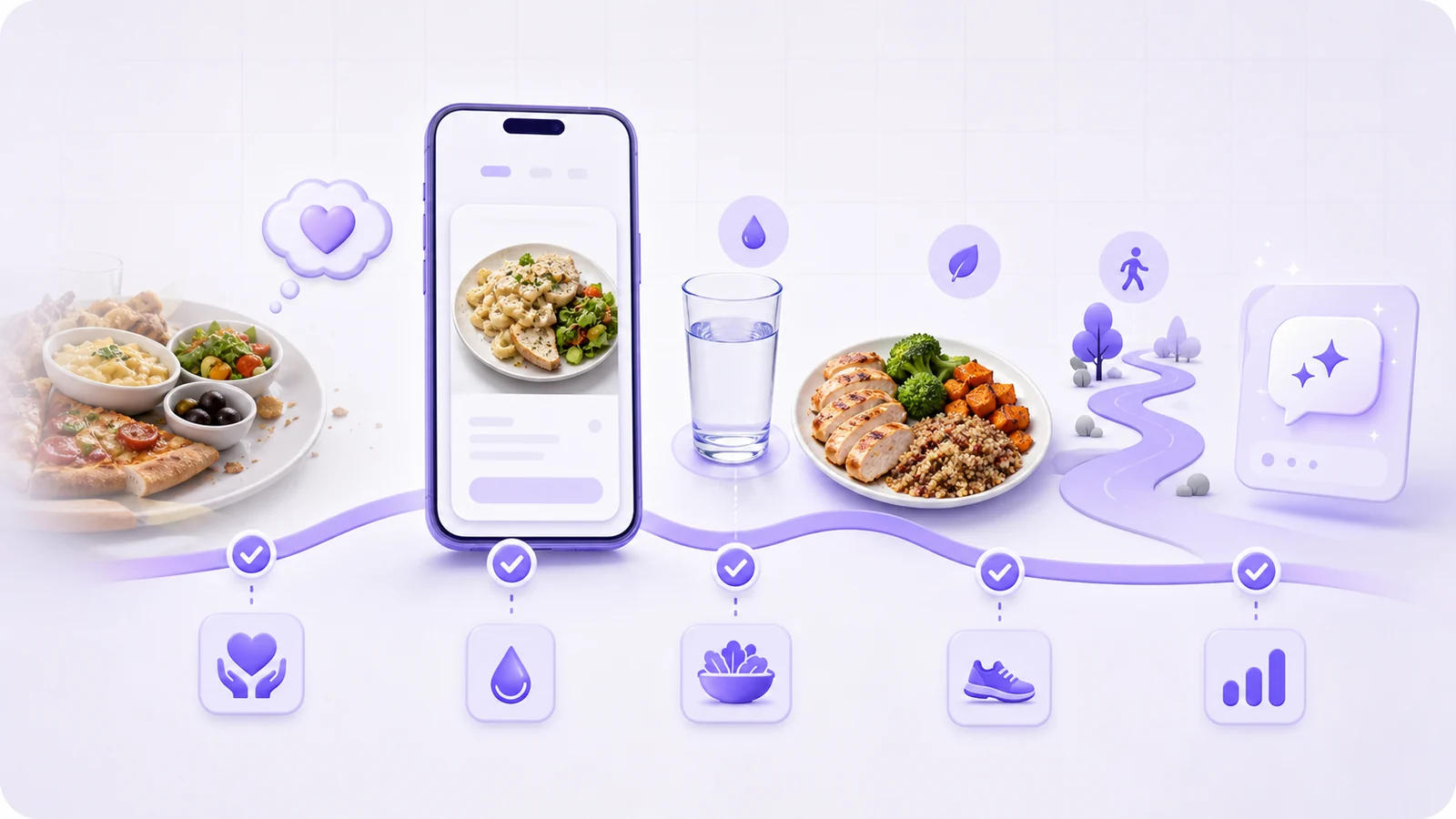
What Should You Do After Eating Too Much?
If you ate too much at one meal, the most important thing is not to punish yourself or heavily restrict the next day. The better response is to return to a steady, sustainable rhythm. Drink water, rest normally, choose a balanced next meal, and continue with one simple log.
One meal does not ruin long-term progress. What matters most is whether you can make the next choice a little easier and more intentional. WellyPal can help users get next-step guidance from AI Coach instead of getting stuck in guilt after one meal.
Who This Page Is For
This page is for people searching questions like:
- What should I do after eating too much?
- Should I eat less tomorrow if I overate today?
- Did I fail my weight loss plan after one overeating meal?
- What should I eat after overeating?
- How do I get back on track after eating too much?
- How can I keep logging without feeling guilty?
Why Overeating Can Feel So Stressful
The stress after overeating is usually not only about the food. It is often about feeling like the plan is no longer under control. People may worry that their weight will go up, their weight-loss progress is ruined, their tracking streak is broken, or they do not have enough discipline.
But in real life, everyone has moments when they eat more than planned. Social meals, takeout, holidays, stress, hunger, and poor sleep can all lead to a meal that goes beyond the plan. The issue is not whether one meal was perfect. The issue is how you return to a normal structure afterward.
Common Mistakes After Overeating
Mistake 1: Eating Very Little the Next Day
Many people try to compensate by skipping breakfast, eating very little all day, or drinking only water. Heavy restriction can increase hunger and cravings, making the next overeating episode more likely.
Mistake 2: Treating One Meal as Total Failure
One overeating episode does not mean your entire plan failed. Long-term habits matter more than one meal.
Mistake 3: Using Exercise as Punishment
Movement can help you feel better, but it should not be used as punishment. Punishment-based exercise can turn health management into a stressful cycle.
Mistake 4: Stopping Food Tracking Because of Guilt
Many users stop logging after overeating because they do not want to see the numbers. But logging is not meant to criticize you. It is meant to help you understand patterns and choose the next step.
Mistake 5: Waiting Until Tomorrow or Monday to Restart
You do not need a new day, new week, or perfect plan to restart. The next meal is enough.
A 5-Step Reset After Eating Too Much
Step 1: Stop the Self-Blame First
Remind yourself that this was one food event, not your whole identity. The sooner you stop judging yourself, the easier it is to return to a steady rhythm.
Step 2: Make One Simple Log
You do not need to perfectly record every detail. Add a quick note, photo, or voice entry. For example: “Dinner was heavier than planned. Continuing tomorrow with normal tracking.”
Step 3: Return to a Balanced Next Meal
Your next meal can include protein, vegetables or fiber, a reasonable amount of carbs, and water. The goal is to restore structure, not to dramatically reduce food.
Step 4: Choose Light Movement if It Feels Good
If your body feels heavy, try a walk, stretching, or light movement. The goal is comfort and consistency, not punishment.
Step 5: Notice What Triggered It
Ask what led to the overeating. Were you too hungry, stressed, underslept, eating out, or unsure what to order? Understanding the trigger can make the next similar situation easier to handle.
How WellyPal Helps You Reset
WellyPal is an AI health tracking app that helps users log meals, track weight, and get practical guidance from an AI Coach. After overeating, WellyPal helps users focus on what to do next instead of getting stuck in guilt or extreme compensation.
WellyPal can help users:
- Log an overeating meal by photo or voice
- Ask AI Coach what to eat next
- Avoid stopping tracking after one imperfect meal
- Get realistic suggestions based on the day’s context
- Understand long-term food and weight trends
- Restart with one quick check-in
Overeating Reset Examples
Example 1: You Ate Too Much at Dinner With Friends
You do not need to skip breakfast the next day. Eat a normal breakfast with protein and fiber, then continue tracking. WellyPal can help you choose a more balanced next meal.
Example 2: You Ordered More Takeout Than Planned
If takeout was larger than expected, log the general meal first. For the next meal, choose a lighter structure with protein, vegetables, and water instead of skipping food completely.
Example 3: You Feel Guilty After Dessert
Dessert does not mean failure. Log it, then ask WellyPal how to make the rest of the day feel more balanced.
Example 4: Your Weight Went Up After Eating More
A short-term weight increase may come from water, sodium, carbohydrates, or digestion. It does not always mean fat gain. Look at trends across several days instead of one number.
What to Eat After Overeating
Useful next-meal options often include:
- A protein source such as eggs, Greek yogurt, tofu, chicken, or fish
- Fiber from vegetables, beans, fruit, or whole grains
- A reasonable portion of rice, potatoes, whole-grain bread, or oats
- Water or an unsweetened drink
- A simple meal that does not create more stress
Avoid turning the next meal into an extreme low-calorie compensation meal. Returning to rhythm is more useful than punishment.
Key Takeaways
Eating too much at one meal does not mean a weight-loss or health plan has failed. A better response is to stop self-blame, make one simple log, return to a balanced next meal, choose light movement if helpful, and understand the trigger. WellyPal helps users restart with photo logging, voice logging, quick check-ins, and AI Coach guidance so one overeating episode does not turn into quitting.
FAQ
Will one overeating meal make me gain fat?
One meal usually does not determine long-term weight change. Short-term weight increases can come from water, sodium, carbohydrates, and digestion. Long-term trends matter more.
Should I eat less the next day after overeating?
Extreme restriction is usually not helpful. A better approach is to return to a normal, balanced eating structure.
Should I exercise to compensate after overeating?
Light movement such as walking can help you feel better, but exercise should not be used as punishment.
Should I still log food after overeating?
Yes, but it can be simple. Logging is not about criticism. It helps you continue and understand patterns.
Can WellyPal help me get back on track after overeating?
Yes. WellyPal can help you log the meal quickly and ask AI Coach for a practical next-meal suggestion.
Is this medical advice?
No. This article provides general wellness education and product information. It does not replace advice from a doctor, registered dietitian, or qualified medical professional.
This resource provides general wellness education and product information. It is not medical advice and does not replace guidance from a qualified clinician. Seek medical care for severe or persistent pain, repeated vomiting, chest pain, or trouble breathing.
Reset with your next choice
Eating too much at one meal is not the end of your progress. Open WellyPal, log it by photo, voice, or quick check-in, and let AI Coach help you choose the next step.
Get WellyPal Free